

Are Fly Screens Worth It? A Guide for Windows and Doors
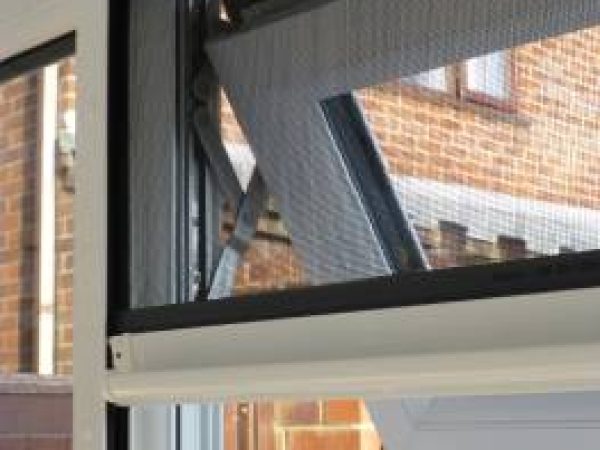
Fly screens are worth considering if you want to open windows and doors for fresh air while reducing the number of flies, wasps, mosquitoes and other insects entering your property. A properly fitted mesh screen creates a practical barrier without permanently closing the opening.
A1 Blinds measures and fits retractable and hinged fly screens for domestic and office properties in North Yorkshire. The best option depends on the type of window or door, how often the opening is used, and whether you want the screen to be hidden when it is not needed.
How Do Fly Screens Work?
A fly screen uses fine mesh to create a physical barrier across an open window or door. Air can pass through the mesh while many common flying insects are prevented from entering. A fly screen does not actively cool a room. The benefit is that windows and doors can remain open when outdoor conditions are suitable, supporting natural ventilation without leaving the opening completely unprotected. The screen must be closed and positioned correctly to work. A damaged mesh, an open screen, or a poorly sealed edge will reduce its effectiveness.
Retractable Fly Screens
Retractable fly screens extend across the opening when needed and return into a discreet housing when not in use. This preserves the appearance and access of the window or door during colder months or whenever the screen is unnecessary. A1 Blinds’ retractable screens use magnets to help keep them closed. They may be particularly useful on regularly used patio doors, conservatory openings and windows where flexible access is important.
Hinged Fly Screens
Hinged fly screens open similarly to a lightweight framed door or panel. They can provide a straightforward and durable option for suitable windows and doorways. The surrounding space, opening direction, and handle position must all be considered. A professional consultation can confirm whether a hinged or retractable design is more practical.
What Are the Main Benefits?
Fewer Unwanted Insects
The clearest benefit is reducing the number of flies, wasps, mosquitoes, and other insects that enter through an open window or door.
These screens can be useful in kitchens, bedrooms, conservatories and offices where windows are opened frequently. However, no screen can guarantee that the entire property will remain insect-free. Insects may still enter through other open doors, damaged seals or gaps elsewhere.
More Comfortable Ventilation
Fly screens allow suitable windows and doors to remain open while maintaining a mesh barrier. This can support ventilation during warmer weather without requiring you to choose between fresh air and insect control. The mesh can also catch some airborne dirt and pollutants. This is an additional practical benefit, but they are not a substitute for a specialist air-purification system.
A Discreet Finish
Retractable screens fold away when they are not required. This helps preserve the view and produces a neater appearance than temporary mesh fixed using tape or hook-and-loop strips. A made-to-measure design is created around the exact opening, helping the frame and mesh sit more securely.
Can Fly Screens Be Fitted with Blinds?
Yes. A1 Blinds can coordinate with blind installations so that both products fit comfortably on the same window. Planning the two installations together is useful because the screen and blind may need separate fixing space. The installer can also ensure that handles, window openings, and blind controls remain accessible. A fly screen manages insects, while a blind controls light and privacy. Each product performs a different role.
How Long Do Fly Screens Last?
Our fly screens can last approximately 10 to 15 years, provided they are not accidentally damaged or mistreated. Actual lifespan will depend on use, exposure and maintenance. Inspect the mesh occasionally for tears and ensure retractable mechanisms continue to move smoothly. Keep pets, sharp objects, and heavy impacts away from the screen.
Where Are Fly Screens Most Useful?
Fly screens are commonly considered for:
- Kitchen windows and doors
- Patio and garden doors
- Conservatories
- Bedrooms used during warmer nights
- Offices and commercial properties
- Rooms requiring frequent natural ventilation
Very large doors, unusual frames or restricted fixing space may require a specific design.
Are Fly Screens Worth the Investment?
Fly screens are most worthwhile for properties that regularly open windows or doors and experience persistent insect problems. They offer a more durable and discreet alternative to temporary mesh while allowing continued ventilation.
A1 Blinds provides free, no-obligation home consultations, professional measuring and fitting across the North East and North Yorkshire. Book an appointment to find out whether retractable or hinged fly screens are right for your property.