A1 Blinds uses cookies on its website which may involve the processing of personal data.
Necessary cookies are required for our website to function. We also use other cookies for marketing and statistical analysis. In some cases, data may be transferred to third parties. We won’t activate these cookies without your explicit consent, which you can give or revoke at any time.
You can configure these cookies under preferences. Please be aware that if you limit these cookies, you may not be able to use all our website’s functions. You can change this at any time by clicking on our cookie icon, which is always accessible to you.
Cookie Preferences
Here you can choose which cookies you consent to. Simply use the toggles to give or revoke consent to individual cookies, and you can change your preferences at any time.
These cookies are essential for the website to perform as it needs to. They keep the basic functions and important security features working properly for you, anonymously.
Functional
Functional cookies allow you to interact with the website and its content, such as sharing information on social media platforms and other third-party features.
Analytics
We use these cookies to help us understand how users are interacting with the website. They help to provide us with key metrics on how many visitors we have, bounce rate and the sources of website traffic.
Advertisements
Advertisement cookies help to provide relevant ads and marketing campaigns. These track visitors across websites and mean users can receive more customised ads.
Other
These cookies have not been classified into any of the above categories and are being analysed.
When the UK finally gets a stretch of warm weather, it’s brilliant — until your home turns into a sweaty, sleepless oven. If you’re searching for how to keep your house cool in hot weather (without running a fan 24/7), you’re not alone.
One of the most effective and energy-efficient ways to regulate indoor temperature is by choosing the right window blinds. In this guide, we’ll share the best blinds to keep your house cool in summer, with expert tips and links to products proven to beat the heat.
☀️ Why Blinds Matter in Hot Weather
In the UK, up to 30% of unwanted summer heat enters through your windows, according to government energy data. That’s a big deal — especially in homes with large windows or glass doors.
Blinds help reduce heat gain by blocking or reflecting sunlight before it warms up your interiors. But not all blinds are created equal. Here’s what to look for.
🧊 1. Thermal Blinds Work in Summer Too
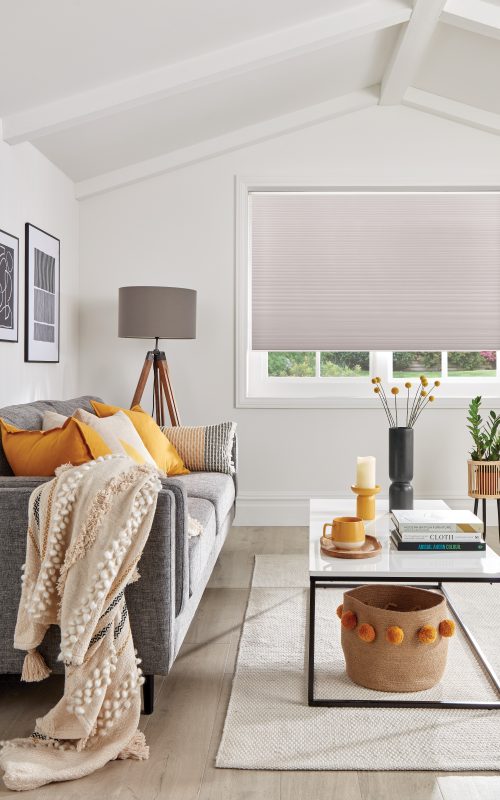
Thermal blinds aren’t just for winter. The same insulating layer that keeps the cold out can also reflect heat away from your home in summer.
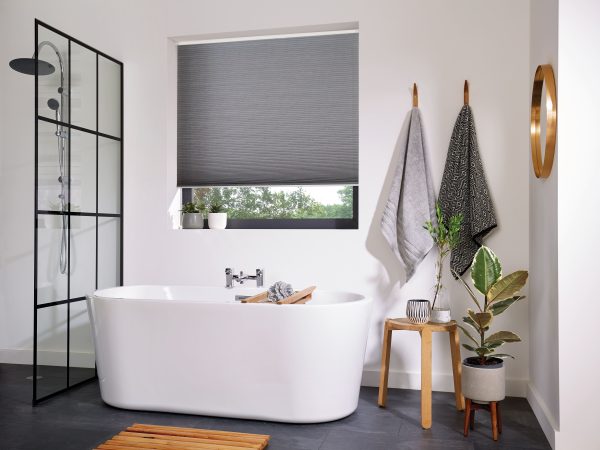
By reducing solar gain, thermal blinds can make a room feel several degrees cooler — perfect for bedrooms, loft conversions or sun traps.
✅ Top tip: Choose lighter-coloured thermal blinds to reflect rather than absorb sunlight.
🌓 2. Vision Blinds Offer Flexibility & Style
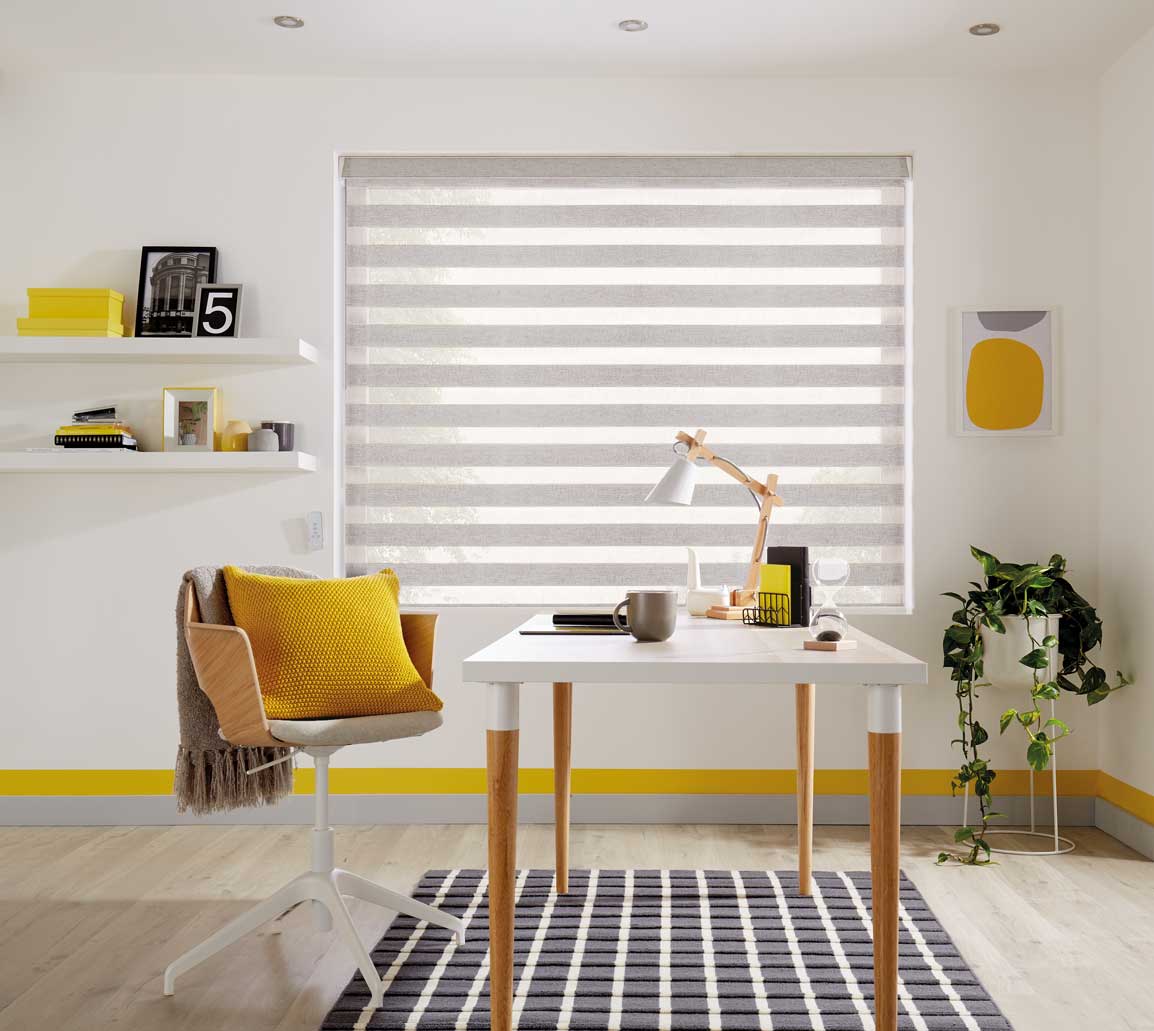
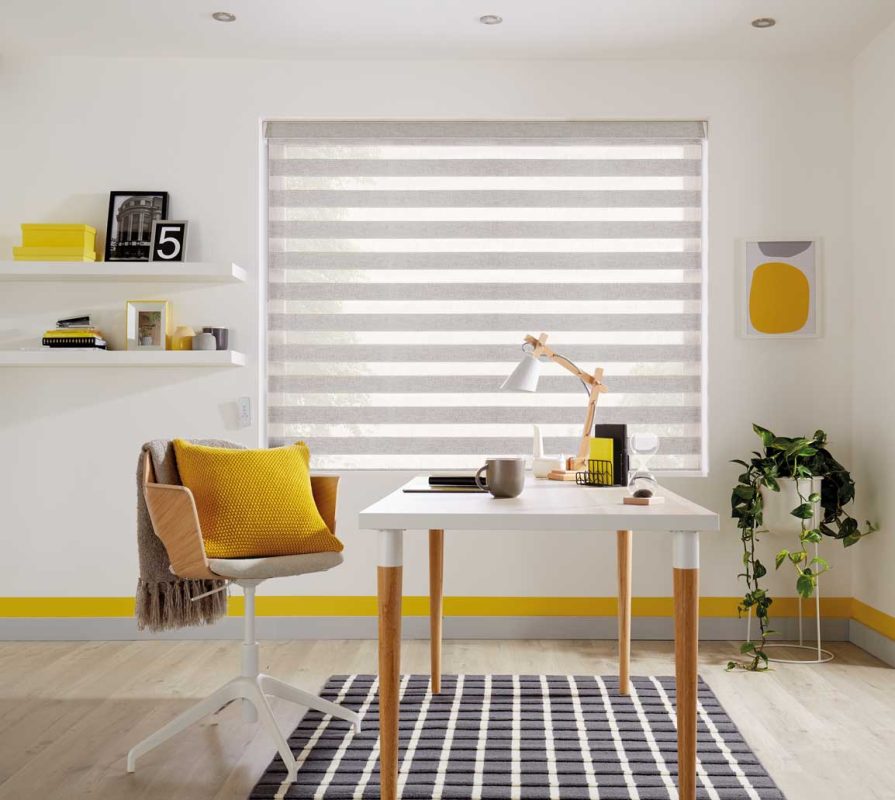
Vision blinds combine sheer and opaque fabric stripes, letting you adjust how much light and heat enters your room throughout the day.
They’re especially effective in rooms where you still want light, but need to control glare and warmth — like kitchens, conservatories or home offices.
🪟 3. Venetian Blinds Let You Deflect Sunlight
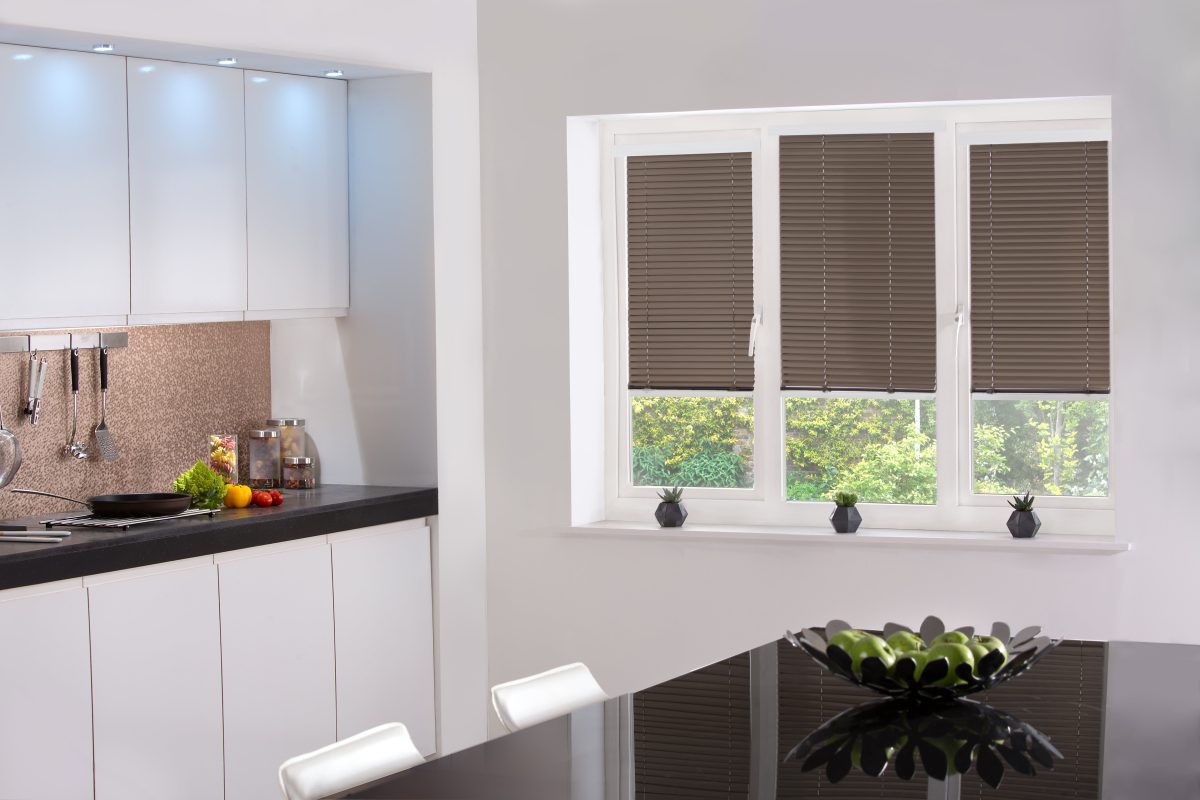
Venetian blinds, particularly aluminium or faux wood, are ideal for regulating sunlight without completely blocking it. Simply tilt the slats to bounce the sun’s rays upward, reducing heat while maintaining brightness.
They’re also easy to clean and look great in modern homes.
😴 4. Keep Bedrooms Cool with Blackout Blinds
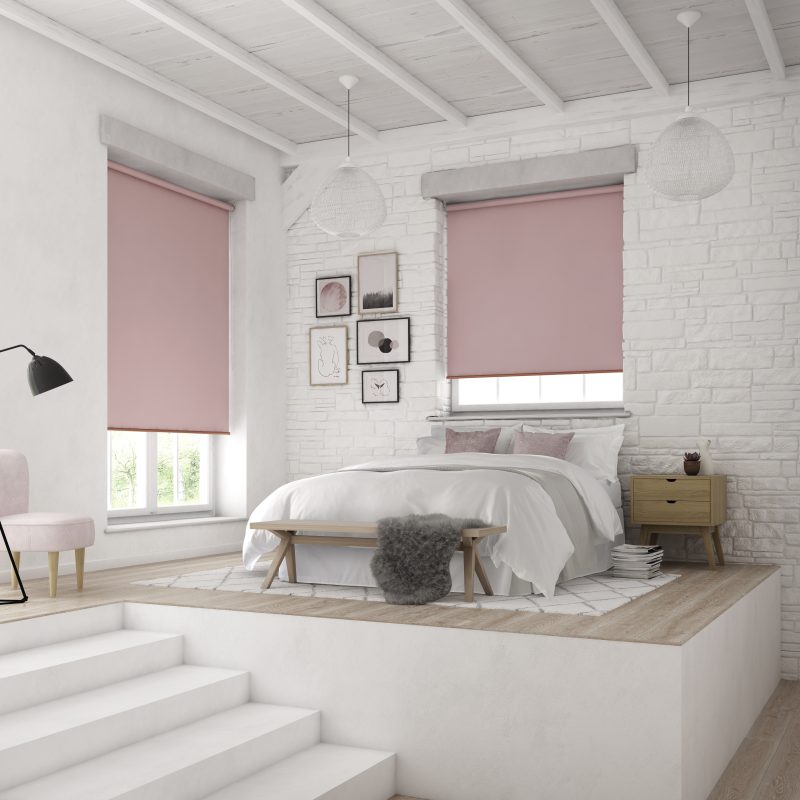
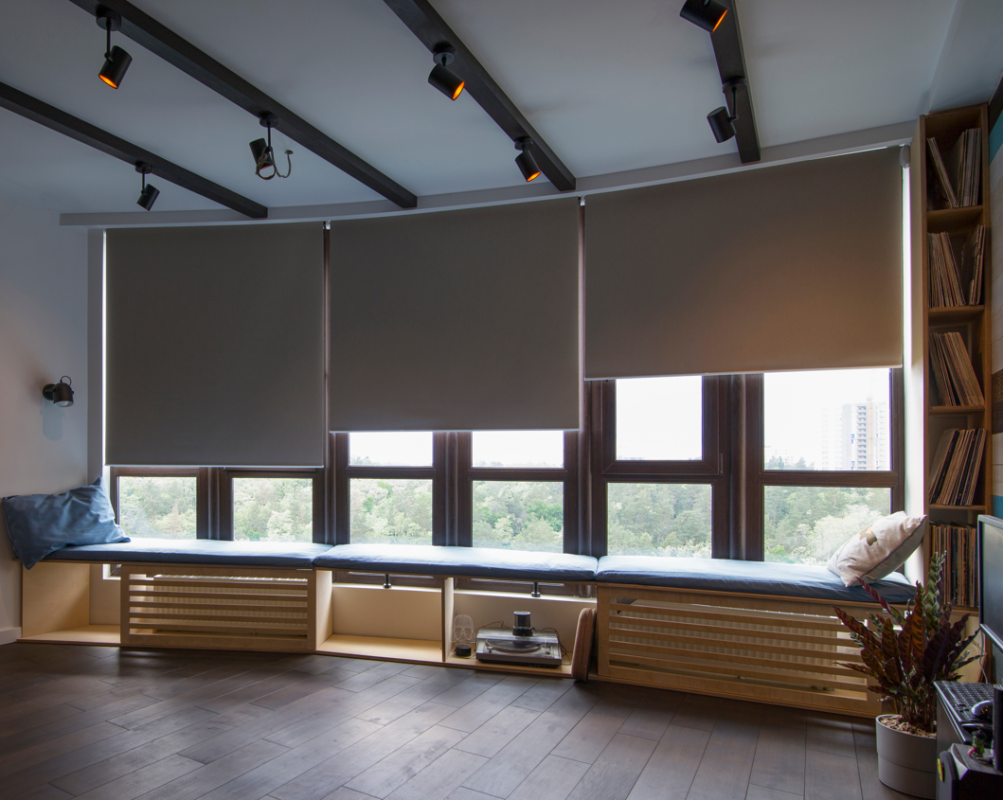
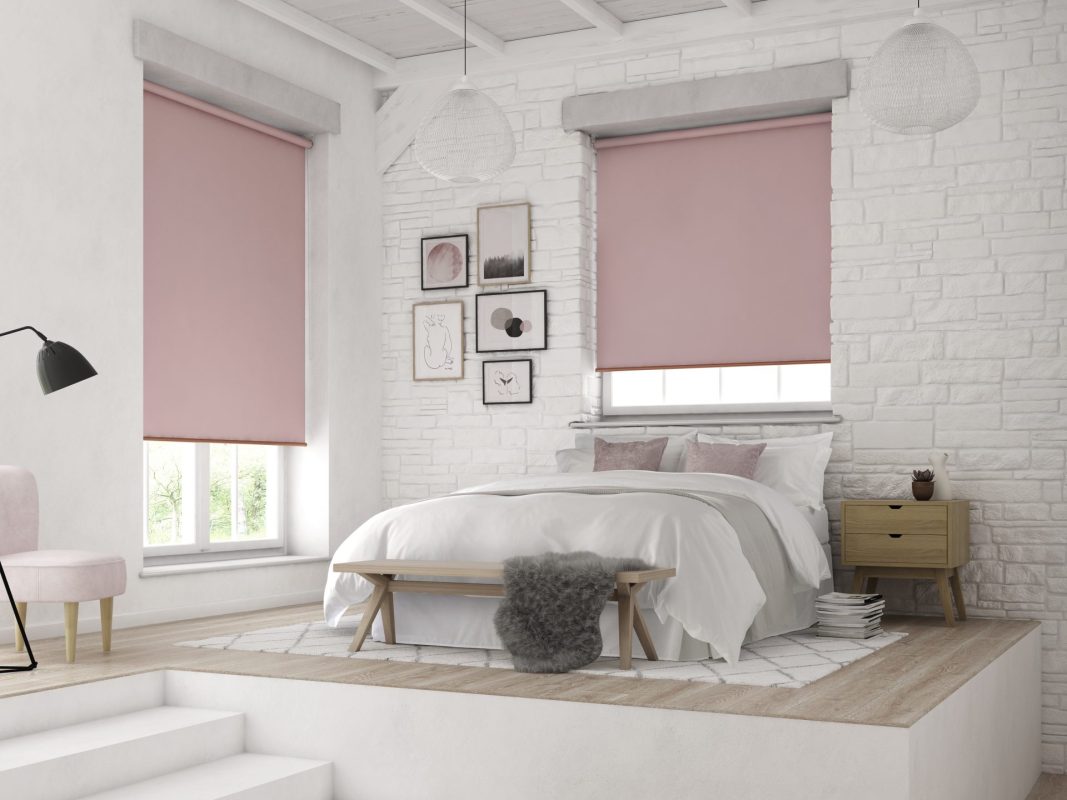
Getting to sleep in a hot room can be tough. Blackout blinds help by not only blocking early sunlight but also reducing heat build-up during the day — especially in south- or west-facing bedrooms.
Combine them with open windows in the evening for a cooler, more restful night.
🔧 5. Perfect Fit Blinds = Maximum Coverage
Perfect fit blinds offer edge-to-edge coverage inside the window frame — meaning less light leakage and less heat sneaking in. They’re ideal for doors, conservatories or awkwardly shaped windows.
The snug fit means better temperature control and a sleek, tidy finish.
💡 Bonus Tip: Combine Blinds with Smart Ventilation
For best results, open windows early in the morning or later in the evening to let in cooler air — and keep your blinds shut during the hottest parts of the day to block the heat.
Harrison Thomas, Brand Specialist at A1 Blinds, has spent the past three years helping showcase the company’s extensive range of made-to-measure blinds and window shading solutions. With a background in graphic design and social media marketing, Harrison combines creativity with a customer-focused approach to bring the A1 Blinds brand to life. He is passionate about highlighting the company’s craftsmanship, product quality, and dedication to exceptional customer service, helping homeowners and businesses find the perfect window solutions for their spaces, style, and needs.
A1 Blinds measures and fits retractable and hinged fly screens for domestic and office properties in North Yorkshire. The best option depends on the type of window or door, how often the opening is used, and whether you want the screen to be hidden when it is not needed.
How Do Fly Screens Work?
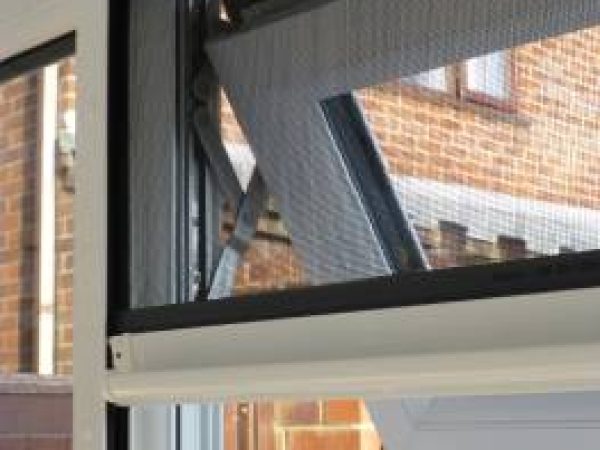
A fly screen uses fine mesh to create a physical barrier across an open window or door. Air can pass through the mesh while many common flying insects are prevented from entering. A fly screen does not actively cool a room. The benefit is that windows and doors can remain open when outdoor conditions are suitable, supporting natural ventilation without leaving the opening completely unprotected. The screen must be closed and positioned correctly to work. A damaged mesh, an open screen, or a poorly sealed edge will reduce its effectiveness.
Retractable Fly Screens
Retractable fly screens extend across the opening when needed and return into a discreet housing when not in use. This preserves the appearance and access of the window or door during colder months or whenever the screen is unnecessary. A1 Blinds’ retractable screens use magnets to help keep them closed. They may be particularly useful on regularly used patio doors, conservatory openings and windows where flexible access is important.
Hinged Fly Screens
Hinged fly screens open similarly to a lightweight framed door or panel. They can provide a straightforward and durable option for suitable windows and doorways. The surrounding space, opening direction, and handle position must all be considered. A professional consultation can confirm whether a hinged or retractable design is more practical.
What Are the Main Benefits?
Fewer Unwanted Insects
The clearest benefit is reducing the number of flies, wasps, mosquitoes, and other insects that enter through an open window or door.
These screens can be useful in kitchens, bedrooms, conservatories and offices where windows are opened frequently. However, no screen can guarantee that the entire property will remain insect-free. Insects may still enter through other open doors, damaged seals or gaps elsewhere.
More Comfortable Ventilation
Fly screens allow suitable windows and doors to remain open while maintaining a mesh barrier. This can support ventilation during warmer weather without requiring you to choose between fresh air and insect control. The mesh can also catch some airborne dirt and pollutants. This is an additional practical benefit, but they are not a substitute for a specialist air-purification system.
A Discreet Finish
Retractable screens fold away when they are not required. This helps preserve the view and produces a neater appearance than temporary mesh fixed using tape or hook-and-loop strips. A made-to-measure design is created around the exact opening, helping the frame and mesh sit more securely.
Can Fly Screens Be Fitted with Blinds?
Yes. A1 Blinds can coordinate with blind installations so that both products fit comfortably on the same window. Planning the two installations together is useful because the screen and blind may need separate fixing space. The installer can also ensure that handles, window openings, and blind controls remain accessible. A fly screen manages insects, while a blind controls light and privacy. Each product performs a different role.
How Long Do Fly Screens Last?
Our fly screens can last approximately 10 to 15 years, provided they are not accidentally damaged or mistreated. Actual lifespan will depend on use, exposure and maintenance. Inspect the mesh occasionally for tears and ensure retractable mechanisms continue to move smoothly. Keep pets, sharp objects, and heavy impacts away from the screen.
Where Are Fly Screens Most Useful?
Fly screens are commonly considered for:
Kitchen windows and doors
Patio and garden doors
Conservatories
Bedrooms used during warmer nights
Offices and commercial properties
Rooms requiring frequent natural ventilation
Very large doors, unusual frames or restricted fixing space may require a specific design.
Are Fly Screens Worth the Investment?
Fly screens are most worthwhile for properties that regularly open windows or doors and experience persistent insect problems. They offer a more durable and discreet alternative to temporary mesh while allowing continued ventilation.
A1 Blinds provides free, no-obligation home consultations, professional measuring and fitting across the North East and North Yorkshire. Book an appointment to find out whether retractable or hinged fly screens are right for your property.
Harrison Thomas, Brand Specialist at A1 Blinds, has spent the past three years helping showcase the company’s extensive range of made-to-measure blinds and window shading solutions. With a background in graphic design and social media marketing, Harrison combines creativity with a customer-focused approach to bring the A1 Blinds brand to life. He is passionate about highlighting the company’s craftsmanship, product quality, and dedication to exceptional customer service, helping homeowners and businesses find the perfect window solutions for their spaces, style, and needs.
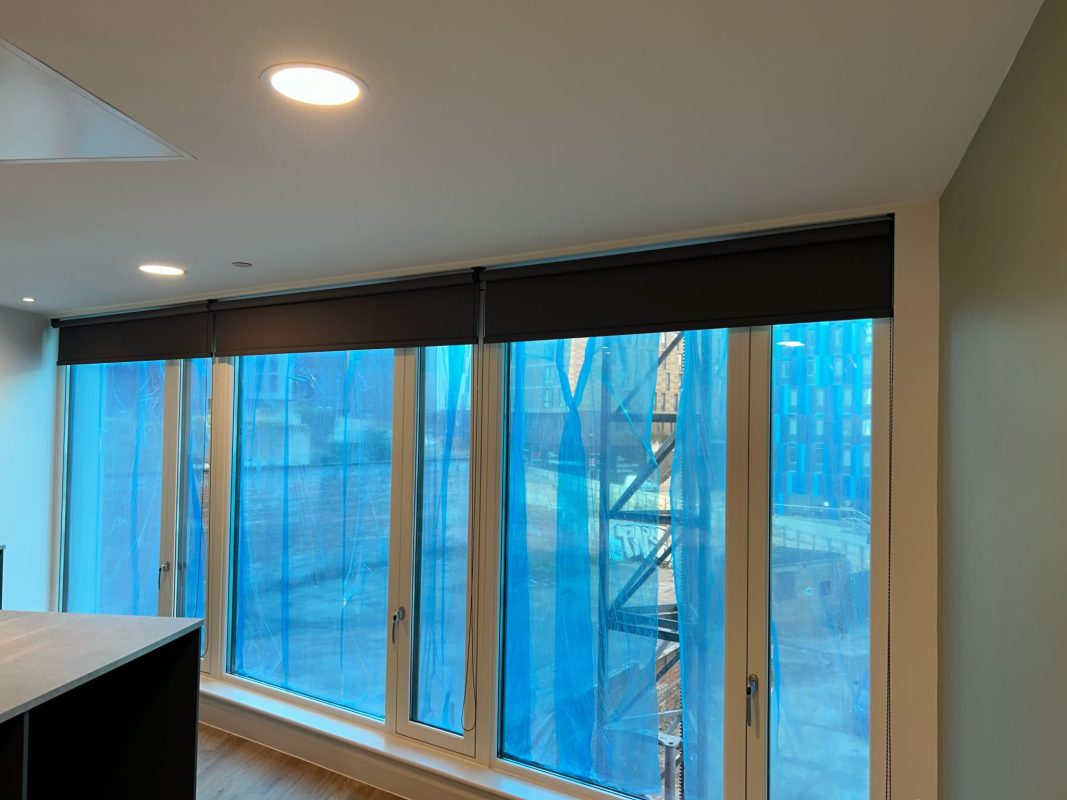
Free-hanging blinds need space to operate correctly. On a roller blind, the fabric is typically narrower than the full headrail or mechanism, leaving a small gap on each side. Window recesses can also be uneven or out of square. Handles, vents, tiles and projecting sills may stop the blind from sitting close to the glass. Vertical blinds have separate fabric vanes, so some light can remain between the drapes or around the outer edges.
Choose Made-to-Measure Blackout Blinds
Made-to-measure blinds are manufactured for the dimensions of your individual window. Accurate sizing helps minimise unnecessary space and produces a neater finish than choosing the nearest standard blind width. Professional measuring is particularly valuable for bay windows, shallow recesses and frames with large handles. The surveyor can check whether the blind has enough room to operate and identify anything likely to affect coverage.
We offer blackout materials in styles including roller, cellular and Roman blinds. The best option depends on the room, window design and level of darkness required.
Should the Blind Sit Inside or Outside the Recess?
An inside-recess blind creates a tidy, integrated appearance. However, the blind must fit within the opening, and the necessary operating clearance may allow a slim line of light around the sides. An outside-recess blind can overlap the window opening, potentially covering more of the surrounding area. This requires enough unobstructed wall space and must not interfere with radiators, shelving or furniture. Neither fitting position is always best. The right choice depends on recess depth, window handles and your preferred appearance.
Can Perfect Fit Blinds Reduce Edge Light?
Perfect Fit blinds clip into compatible uPVC window and door frames and sit close to the glazing. The blind moves with the frame, providing a neat installation without drilling. At A1 Blinds, we offer Perfect Fit roller, pleated and Venetian options. A blackout roller or pleated material may provide stronger room darkening than some loosely fitted alternatives, depending on the frame and product specifications.
Choose the Right Blackout Style
Blackout roller blinds are compact and practical, making them popular for bedrooms. Roman blinds provide a softer decorative look and can include a blackout lining, whereas cellular or pleated blinds sit neatly at the glazing and may provide additional thermal benefits.
Our Linear Nightshade range is designed for strong blackout performance and thermal insulation. The product information describes the result as near-total darkness rather than guaranteeing that every room will be completely light-free.
Layer Blinds with Curtains
Pairing blackout blinds with lined curtains can cover light that remains around the edges. Curtains also add softness and another insulating layer at the window. Layering is particularly useful in children’s rooms, shift workers’ bedrooms and home cinemas. The blinds provide convenient daily control, while the curtains can be closed when a darker environment is needed. Any chains or cords must be installed with the correct child safety devices. Cord-free Perfect Fit or motorised blinds may be preferable in nurseries.
Get a Better-Fitting Blackout Blind
The most effective way to stop light gaps around blackout blinds is to match the material, blind style and fitting position to the individual window. Made-to-measure fitting can minimise gaps, but complete darkness should only be promised after the whole system has been assessed.
Book a free A1 Blinds home consultation to discuss blackout fabrics and the most suitable room-darkening option for your property in North Yorkshire.
Harrison Thomas, Brand Specialist at A1 Blinds, has spent the past three years helping showcase the company’s extensive range of made-to-measure blinds and window shading solutions. With a background in graphic design and social media marketing, Harrison combines creativity with a customer-focused approach to bring the A1 Blinds brand to life. He is passionate about highlighting the company’s craftsmanship, product quality, and dedication to exceptional customer service, helping homeowners and businesses find the perfect window solutions for their spaces, style, and needs.
For families across North Yorkshire, choosing child-safe window blinds is particularly important in nurseries, children’s bedrooms, playrooms and shared living spaces. However, blind safety should be considered in every room accessible to a young child or vulnerable person.
Where blinds use cords or chains, suitable safety devices, such as breakaway connectors, tensioners, or cleats, must be fitted securely and used as instructed.
What Makes a Blind Child-Safe?
A child-safe blind is either safe by design or fitted with appropriate safety devices. Safe-by-design blinds generally have no accessible operating cord or chain. Alternatively, the controls may be concealed, permanently tensioned or designed to separate when pressure is applied.
At A1 Blinds, new products are professionally installed in line with relevant child-safety requirements. Correct installation is essential because a safety device can only reduce risk when it is securely fitted and used properly.
Homeowners should also consider the area around the window. Cots, beds, chairs, furniture, and play equipment should be positioned away from blind controls so that children cannot climb to reach them.
Cordless Perfect Fit Blinds
Cordless Perfect Fit blinds are a practical option for family homes in North Yorkshire. Perfect Fit blinds clip neatly into compatible uPVC window and door frames without drilling into the main frame.
The blind sits within its own slim frame and moves with the opening window or door. This creates a clean, integrated appearance without loose fabric or long operating controls hanging into the room.
A1 Blinds offers Perfect Fit pleated and roller blinds that can be made cord-free, as well as Venetian-style options. Cordless Perfect Fit blinds can work particularly well in:
Nurseries and children’s bedrooms
Playrooms and family living spaces
Conservatories
French doors and patio doors
Kitchens and dining areas
Perfect Fit blinds are not compatible with every window or door. Bead depth, handle clearance, frame style and available space must all be checked before installation. A professional home appointment allows these details to be assessed accurately.
Motorised Blinds
Motorised blinds use an integrated motor instead of a conventional hanging chain. Depending on the chosen system, motorised blinds can be operated using a remote control, wall switch, smartphone app or compatible smart home controls.
Because motorisation usually removes loose cords and chains, motorised blinds are a strong child-safe option for bedrooms, nurseries and other areas used by young children.
Motorised blinds are also useful for:
High or hard-to-reach windows
Skylights and roof windows
Large areas of glazing
Conservatories
Living rooms and home cinemas
We also offer rechargeable motorised systems that can provide approximately six to twelve months of daily use between charges. Actual battery life depends on the selected product, blind size and how frequently the blind is operated.
For North Yorkshire homeowners seeking convenience and safety, made-to-measure motorised blinds offer a modern, practical solution.
Wand-Operated Vertical Blinds
Vertical blinds are well-suited to wide windows, patio doors, and larger glazed areas. Traditional systems may use separate cords to draw and tilt the vertical slats, but A1 Blinds can offer mono-control operation where one wand replaces the conventional cord controls.
Wand-operated vertical blinds remove dangling cord loops while still providing flexible control over light and privacy. By turning or moving the wand, homeowners can adjust the fabric slats throughout the day.
These blinds are particularly useful in family living rooms, dining areas and conservatories. Children should still be discouraged from playing with the operating wand or pulling on the fabric vanes.
What Devices Make Corded Blinds Safer?
Some blinds use conventional chains or cords. In these cases, the correct safety device must be fitted securely.
Here are several common devices:
P-clip tensioners hold a chain or cord taut against a surface.
Cleats secure excess cord in a figure-of-eight pattern.
Breakaway connectors separate when sufficient pressure is applied.
Inner cord stops limit movement within certain blind systems.
We can fit breakaway chain connectors to the roller blinds we manufacture. Roman blinds may also use breakaway devices on their rear cords. Safety devices should never be removed or left loose. Contact the installer if a required component is missing or damaged.
Are Existing Blinds Child-Safe?
Older blinds may contain accessible looped cords or chains, particularly if they were installed before current child-safety requirements were introduced. Homeowners across North Yorkshire should inspect the existing blinds in every room accessible to children. Check cords, chains, tensioners and breakaway devices regularly for wear or damage.
Some existing blinds can be made safer by fitting the correct cleat, tensioner or breakaway component. However, the appropriate device and fitting position will depend on the blind style, installation height and room layout. Furniture should also be kept away from windows to prevent children from climbing and reaching the blind controls.
Which Child-Safe Blind Should You Choose?
Choose cordless Perfect Fit blinds for compatible frames and a neat, integrated finish, and motorised blinds for convenient cord-free operation, especially on large or high windows. Alternatively, choose wand-operated vertical blinds for broad glazing that requires adjustable slats. The best child-safe blinds must also provide the right privacy, light control and appearance for the room.
We offer free home consultations, measuring and fitting across the North East and North Yorkshire. Book an appointment for advice on cordless, Perfect Fit and motorised blinds for your family home.
Harrison Thomas, Brand Specialist at A1 Blinds, has spent the past three years helping showcase the company’s extensive range of made-to-measure blinds and window shading solutions. With a background in graphic design and social media marketing, Harrison combines creativity with a customer-focused approach to bring the A1 Blinds brand to life. He is passionate about highlighting the company’s craftsmanship, product quality, and dedication to exceptional customer service, helping homeowners and businesses find the perfect window solutions for their spaces, style, and needs.