Case Study: Preserving Timeless Elegance at Tyneside Golf Club

Case Study: Preserving Timeless Elegance at Tyneside Golf Club

Blending Heritage with Modern Comfort

Historic venues often carry a unique responsibility when undergoing refurbishment. The challenge is rarely just about improving the space; it’s about preserving the character that members and visitors have valued for generations while introducing subtle modern improvements that enhance comfort and functionality.

This was exactly the goal behind the recent refurbishment of Tyneside Golf Club in Ryton, a club founded in 1879 with a long and proud history in the region.

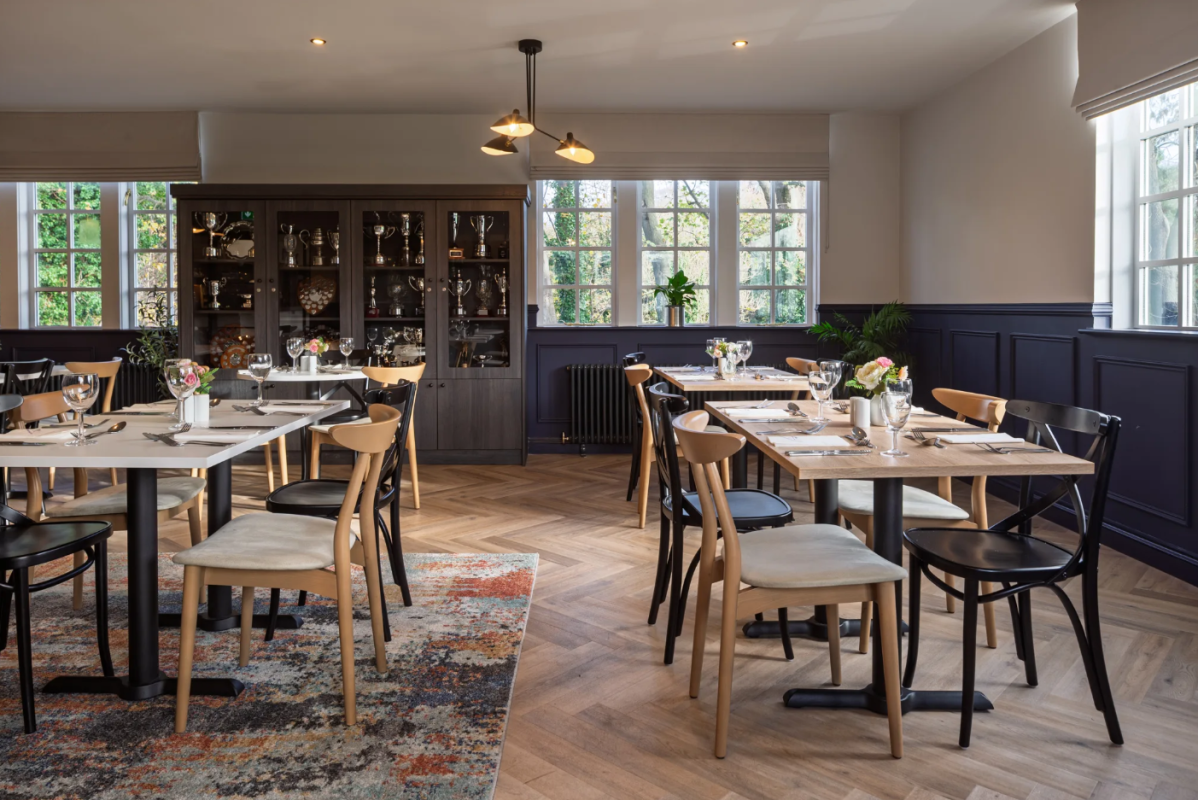
As part of a wider clubhouse transformation led by Sophie Cooper, the interior design aimed to create a sophisticated environment that respected the club’s heritage while bringing a refreshed and contemporary feel to the space.

A1 Blinds were proud to contribute to this project by supplying and installing window dressings to help tie the entire design together.


The Vision for the Refurbishment

The refurbishment of the clubhouse was designed to elevate the overall experience for members and guests. Whether golfers were finishing a round, meeting friends for lunch, or attending club events, the space needed to feel welcoming, refined, and timeless.

Interior designer Sophie Cooper and the team at House of Honnun focused on creating a balanced aesthetic that combined traditional elements with contemporary touches. Warm materials, elegant furniture, and thoughtful lighting all played a role in shaping the final look.

However, the windows were a key part of the design. Large windows are essential for bringing natural light into the dining and social areas, but they also require window coverings that complement the architecture and interior style rather than distract from it.

The solution needed to offer practical shading while maintaining the elegance expected from a heritage clubhouse.


The Solution: Roman Blinds for Classic Style

To achieve the right balance between practicality and aesthetics, Roman blinds were selected as the ideal window treatment for the space.

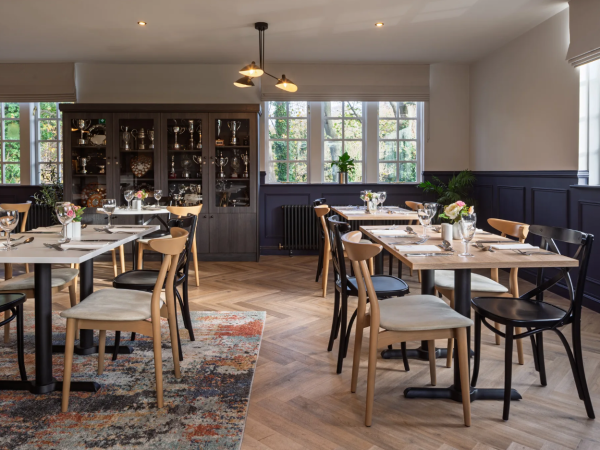
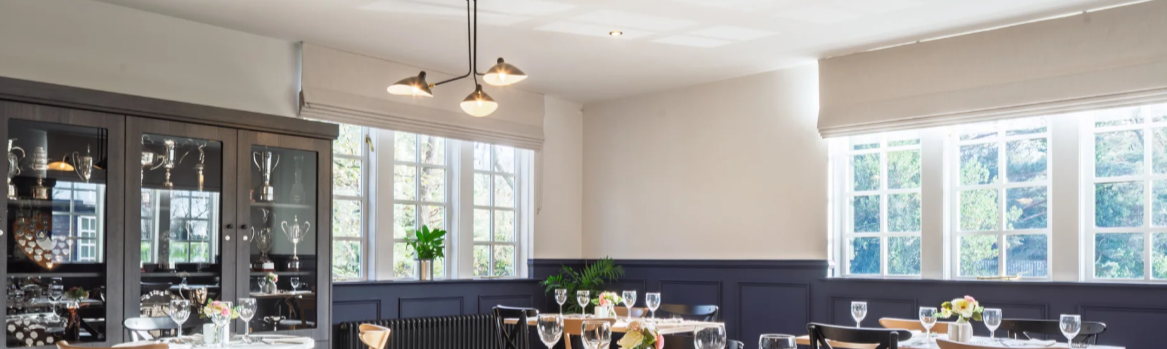
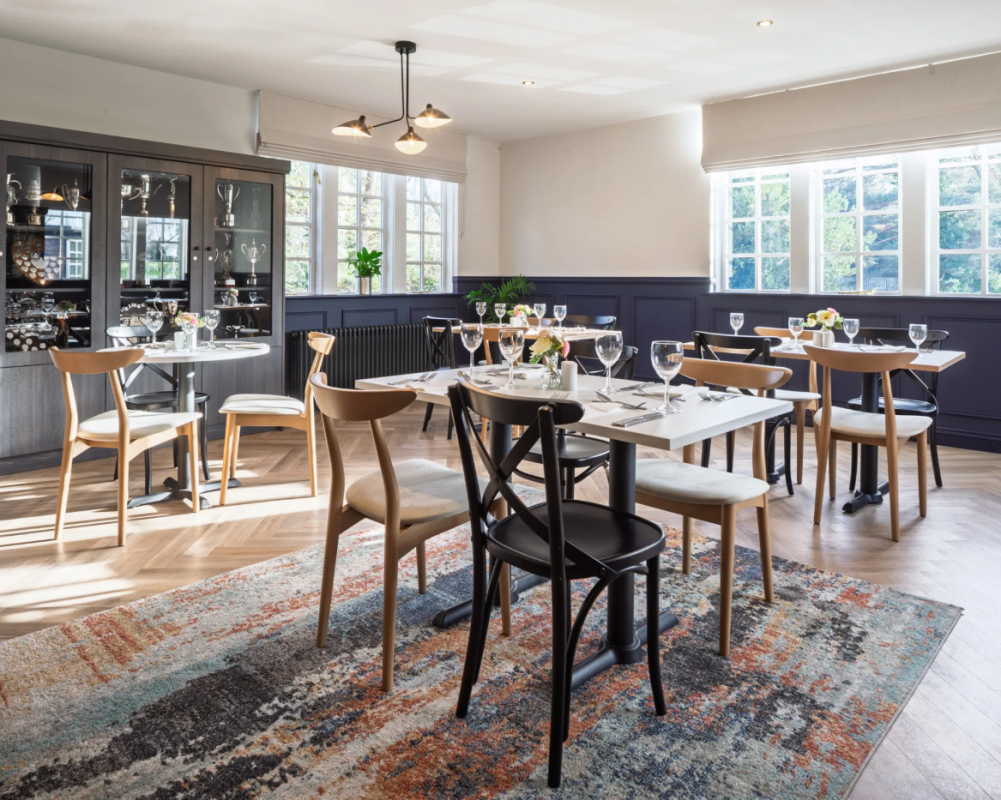
A total of 12 Roman blinds were supplied and installed throughout the clubhouse areas as part of the refurbishment.

Roman blinds are particularly well suited to heritage-style interiors for several reasons:

Timeless Appearance
Roman blinds offer a soft, tailored look that complements traditional architecture and classic interior design. Their structured folds add texture and warmth without overpowering the space.

Elegant Light Control
The blinds allow natural daylight to remain a central feature of the room while providing gentle shading when required.

Refined Finish
Unlike some more utilitarian window coverings, Roman blinds feel more like part of the interior décor, blending seamlessly with furniture, fabrics, and colour palettes.

For a setting like Tyneside Golf Club, where atmosphere and presentation are important, this style provided the perfect finishing touch.

Working Alongside the Design Team

Projects involving historic venues often require careful coordination between multiple teams to ensure that the final result reflects the original design vision.

Working alongside Sophie Cooper and House of Honnun, A1 Blinds ensured the blinds were installed to complement the overall design scheme and respect the character of the clubhouse interior.

Attention to detail was important throughout the process, as the window treatments needed to align perfectly with the interior layout, furnishings, and lighting.

The result is a cohesive and balanced space where the blinds support the overall aesthetic rather than drawing attention away from it.


The Outcome for Tyneside Golf Club

The refurbished clubhouse now offers members and guests a beautifully updated space that remains true to the club’s historic roots.

The Roman blinds provide subtle shading and visual warmth, helping to create a comfortable dining and social environment throughout the day.

At the same time, the classic styling of the blinds enhances the interior design, reinforcing the sense of timeless elegance that defines the club.

For venues with rich history, even small details play an important role in shaping the overall atmosphere. Window dressings, when carefully chosen, can quietly elevate a space while maintaining the authenticity that makes heritage locations so special.

Respecting the Character of Historic Spaces

Refurbishing heritage venues is always about balance — honouring the past while ensuring the space continues to serve modern needs.

Projects like the refurbishment at Tyneside Golf Club demonstrate how thoughtful design choices, including the right window treatments, can help achieve that balance.

By combining traditional styling with practical functionality, the result is a space that feels both refreshed and timeless — ready to be enjoyed by members for many years to come.

Author

  • Harrison Thomas, Brand Specialist at A1 Blinds, has spent the past three years helping showcase the company’s extensive range of made-to-measure blinds and window shading solutions. With a background in graphic design and social media marketing, Harrison combines creativity with a customer-focused approach to bring the A1 Blinds brand to life. He is passionate about highlighting the company’s craftsmanship, product quality, and dedication to exceptional customer service, helping homeowners and businesses find the perfect window solutions for their spaces, style, and needs.

Thermal Blinds: Why They’re the ‘Hot Topic’ for Home Comfort

Thermal Blinds: Why They’re the ‘Hot Topic’ for Home Comfort

As temperatures drop and homeowners look for ways to keep their properties warm without constantly turning up the heating, thermal blinds are becoming an increasingly attractive home improvement. But what makes thermal blinds different from ordinary window coverings, and are they really worth the investment?

Designed to help regulate indoor temperatures, thermal blinds provide an additional insulating layer around your windows. They can help reduce heat loss in winter, manage sunlight in summer, and improve comfort year-round.

At A1 Blinds, we offer a wide range of made-to-measure thermal blinds that combine practical benefits with stylish designs. Here’s why they’re worth considering for your home.

What Are Thermal Blinds and How Do They Work?

Thermal blinds are window coverings made with insulating fabrics or specialist materials that help reduce heat transfer through your windows. Windows are a common source of heat loss, particularly during colder weather. When thermal blinds are closed, their insulating layers create an additional barrier between the room and the glazing, helping trap warmth.

Different thermal blinds achieve this in different ways. Some use multiple fabric layers or reflective backings, while cellular designs feature small air pockets that help slow heat transfer. The effectiveness of thermal blinds depends on the fabric, window type and quality of fitting. 

Can Thermal Blinds Help Reduce Energy Bills?

Yes, thermal blinds can help reduce energy bills by slowing heat loss through windows, potentially reducing the heating required to maintain a comfortable room temperature.

Research commissioned by the British Blind and Shutter Association and carried out at the University of Salford’s Energy House found that certain blinds and shutters reduced heat loss through tested double-glazed windows by up to 33%. Results varied by blind system, materials, and fitting method, so savings will differ between properties.

For homeowners looking to improve energy efficiency without replacing their windows, thermal blinds can be a practical option alongside other improvements.

Which Types of Thermal Blinds Are Best?

The best thermal blinds depend on your room, window dimensions, preferred appearance and insulation requirements. Several styles can provide thermal benefits when fitted with suitable fabrics.

Pleated and Cellular Blinds

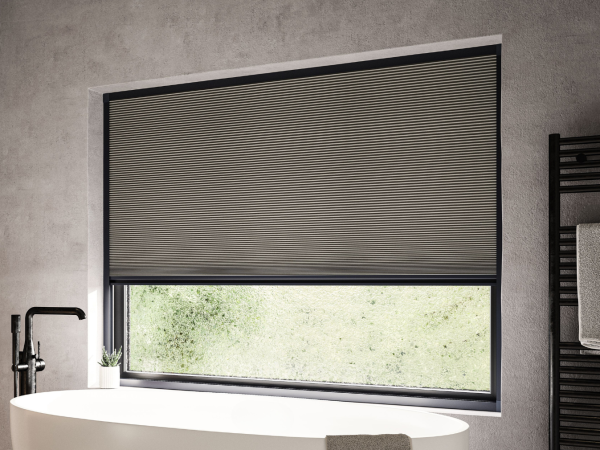
Pleated blinds are a popular option for homeowners who want a contemporary finish with practical insulating benefits. Our range includes specially made, double-honeycomb fabrics with structured air pockets, designed to reduce heat transfer. Their compact design makes them particularly suitable for bedrooms, conservatories and glazed doors.

Perfect Fit Thermal Blinds

Perfect Fit blinds sit neatly within uPVC window and door frames without drilling or screwing. Their close-fitting design creates a clean appearance, while selected thermal fabrics can provide an additional insulating layer. 

Perfect Fit blinds are especially useful where space-saving installation and everyday convenience are important.

Thermal Roller and Blackout Blinds

Roller blinds offer a simple, versatile design that works well in most rooms. Paired with an appropriate thermal fabric, they can improve insulation while maintaining a neat appearance.

For homeowners who also want stronger light control, our blackout blinds include options with insulating properties. Our Linear Nightshade range, for example, combines multi-layer thermal fabric with near-total blackout performance, making it particularly useful for bedrooms and media rooms.

Are Thermal Blinds Useful in Summer?

Thermal blinds aren’t just for keeping homes warm. Certain fabrics can also help reduce unwanted solar heat entering through windows during warmer weather. By closing suitable blinds when direct sunlight reaches the glazing, you can help limit heat build-up and reduce glare.

This makes thermal blinds particularly useful for south-facing rooms, conservatories and spaces with large windows. For year-round comfort, choose a fabric that balances insulation, light control, and your preferred look.

How Can You Get the Most from Thermal Blinds?

Using your blinds correctly can improve their performance.

  • Open blinds on sunny winter mornings to benefit from natural warmth.
  • Close blinds as daylight fades to help retain heat overnight.
  • Shade sunny windows in summer to reduce direct sunlight and unwanted heat.
  • Choose made-to-measure blinds to achieve a neat, appropriate fit.
  • Maintain ventilation to help manage condensation and moisture around windows.

The Energy Saving Trust also recommends considering window coverings alongside glazing improvements and draught-proofing when looking to reduce household heat loss.

Discover Thermal Blinds with A1 Blinds

Thermal blinds have become a hot topic for good reason. They offer homeowners a practical way to improve comfort, manage light and support energy efficiency while refreshing the appearance of their windows.

At A1 Blinds, we help you choose the right fabrics, styles and finishes for your home. Our made-to-measure service ensures your new blinds are tailored to your windows and individual requirements.

With free home consultations, measuring and fitting available across the North East and North Yorkshire, finding the right thermal blinds couldn’t be easier. Book your free home consultation today to discover how thermal blinds can make your home more comfortable year-round.

Author

  • Harrison Thomas, Brand Specialist at A1 Blinds, has spent the past three years helping showcase the company’s extensive range of made-to-measure blinds and window shading solutions. With a background in graphic design and social media marketing, Harrison combines creativity with a customer-focused approach to bring the A1 Blinds brand to life. He is passionate about highlighting the company’s craftsmanship, product quality, and dedication to exceptional customer service, helping homeowners and businesses find the perfect window solutions for their spaces, style, and needs.

Is Your Home Winter-Ready? Here’s How New Blinds Could Help This Year

Is Your Home Winter-Ready? Here’s How New Blinds Could Help This Year

As temperatures drop and evenings grow darker, keeping your home warm and comfortable becomes a priority. While checking your heating and improving insulation matter, your window coverings can also affect how your home feels in winter.

New made-to-measure blinds can help reduce heat loss through windows, improve privacy and create a cosy atmosphere without requiring major home improvements. With the right fabrics and fitting, window blinds can provide an additional layer of insulation when temperatures fall. At A1 Blinds, we offer a wide selection of blinds designed to combine style, comfort and practicality. If you’re wondering how to get your home winter-ready this year, here are some of the best options to consider.

Can New Blinds Help Keep Your Home Warmer?

Yes, certain window blinds can help retain warmth by reducing heat transfer through your windows. When closed, insulating blinds create an additional barrier between the room and the glazing, helping to limit heat loss.

Research highlighted by the British Blind and Shutter Association demonstrates that window blinds and shutters can improve thermal performance, although the results depend on the product and installation. Blinds won’t replace effective double glazing or proper draught-proofing, but they can complement your existing windows and help maintain a more comfortable indoor environment.

Which Blinds Are Best for Winter?

Different blind styles offer different benefits, from thermal insulation and light control to privacy and decorative appeal. The best winter blinds will depend on your windows, how you use each room and the level of insulation you want.

Thermal Blinds: An Extra Layer of Insulation

Thermal blinds are specifically designed to help regulate indoor temperatures and reduce heat loss through windows.

Our thermal range includes specialist fabrics with insulating properties that help retain warmth during colder months. Some designs use multiple fabric layers to limit heat transfer, making them particularly useful for bedrooms, living rooms and other frequently used spaces. Some thermal options also offer blackout properties, helping you improve light control and comfort at the same time.

Pleated Blinds: Practical and Energy-Efficient

Pleated blinds are an attractive option for homeowners who want to combine energy efficiency with a modern look. Their folded fabric design provides an additional layer at the window, helping reduce heat transfer when the blinds are closed. Selected cellular fabrics offer further insulating benefits through their structured air pockets. Our pleated blinds are also available in cordless designs and can be fitted within compatible Perfect Fit systems, making them suitable for family homes, conservatories and glazed doors.

Perfect Fit Blinds: A Neat, Close-Fitting Option

Perfect Fit blinds are designed to sit neatly within compatible window and door frames without drilling or screwing. Their close-fitting design helps minimise unnecessary gaps around the blind while creating a clean, integrated finish. Combined with an appropriate thermal fabric, Perfect Fit blinds can provide extra insulation in colder weather. They’re particularly useful for uPVC windows, conservatories and glazed doors where space-saving window coverings are important.

Roman Blinds: Add Warmth and Style

Winter comfort isn’t only about insulation. Creating a welcoming atmosphere can also make your home feel more enjoyable during the darker months.

Our Roman blinds feature soft fabric folds that bring texture, colour and character to bedrooms and living spaces. With a choice of fabrics and finishes available, Roman blinds are ideal for homeowners looking to create a cosy interior. Selected fabrics and linings can also offer extra light control and insulation.

What About Blackout Blinds and Shutters?

Blackout blinds can be especially useful during winter, when darker mornings and evenings make privacy increasingly important. Blackout fabrics significantly reduce incoming light and can add another layer of insulation at the window. They’re particularly suitable for bedrooms, nurseries and rooms where privacy matters. Alternatively, our plantation shutters combine adjustable light control with a durable, fitted design. Shutters can also provide additional thermal insulation while bringing a timeless finish to traditional and contemporary homes.

How Should You Use Your Blinds During Winter?

Choosing energy-efficient blinds is important, but using them correctly can also improve their effectiveness. For better winter comfort, we recommend:

  • Open your blinds on sunny mornings to let natural sunlight warm the room.
  • Close blinds when daylight fades to provide an additional insulating layer overnight.
  • Choose suitable thermal fabrics for rooms that regularly feel cold.
  • Keep windows properly maintained, and address damaged seals or noticeable draughts.
  • Maintain suitable ventilation to help manage condensation and indoor moisture.

The Energy Saving Trust’s guidance on energy-efficient windows and doors also explains how improving window performance can help reduce heat loss and create a more comfortable home.

Get Your Home Winter-Ready with A1 Blinds

Preparing your home for winter doesn’t always require expensive renovations. Upgrading your window blinds can be a practical way to improve comfort, enhance privacy and give your interiors a fresh look for the colder months.

At A1 Blinds, we provide made-to-measure window blinds designed around your home and individual requirements. Our experienced team can help you explore thermal fabrics, compare styles and find suitable options for every room.

With free home consultations, measuring and fitting available across the North East and North Yorkshire, getting started couldn’t be easier. Book your free home consultation today and discover how new blinds could help make your home warmer, more comfortable and winter-ready this year.

Author

  • Harrison Thomas, Brand Specialist at A1 Blinds, has spent the past three years helping showcase the company’s extensive range of made-to-measure blinds and window shading solutions. With a background in graphic design and social media marketing, Harrison combines creativity with a customer-focused approach to bring the A1 Blinds brand to life. He is passionate about highlighting the company’s craftsmanship, product quality, and dedication to exceptional customer service, helping homeowners and businesses find the perfect window solutions for their spaces, style, and needs.

Are Fly Screens Worth It? A Guide for Windows and Doors

Are Fly Screens Worth It? A Guide for Windows and Doors

Fly screens are worth considering if you want to open windows and doors for fresh air while reducing the number of flies, wasps, mosquitoes and other insects entering your property. A properly fitted mesh screen creates a practical barrier without permanently closing the opening.

A1 Blinds measures and fits retractable and hinged fly screens for domestic and office properties in North Yorkshire. The best option depends on the type of window or door, how often the opening is used, and whether you want the screen to be hidden when it is not needed.

How Do Fly Screens Work?

A fly screen uses fine mesh to create a physical barrier across an open window or door. Air can pass through the mesh while many common flying insects are prevented from entering. A fly screen does not actively cool a room. The benefit is that windows and doors can remain open when outdoor conditions are suitable, supporting natural ventilation without leaving the opening completely unprotected. The screen must be closed and positioned correctly to work. A damaged mesh, an open screen, or a poorly sealed edge will reduce its effectiveness.

Retractable Fly Screens

Retractable fly screens extend across the opening when needed and return into a discreet housing when not in use. This preserves the appearance and access of the window or door during colder months or whenever the screen is unnecessary. A1 Blinds’ retractable screens use magnets to help keep them closed. They may be particularly useful on regularly used patio doors, conservatory openings and windows where flexible access is important.

Hinged Fly Screens

Hinged fly screens open similarly to a lightweight framed door or panel. They can provide a straightforward and durable option for suitable windows and doorways. The surrounding space, opening direction, and handle position must all be considered. A professional consultation can confirm whether a hinged or retractable design is more practical.

What Are the Main Benefits?

Fewer Unwanted Insects

The clearest benefit is reducing the number of flies, wasps, mosquitoes, and other insects that enter through an open window or door.

These screens can be useful in kitchens, bedrooms, conservatories and offices where windows are opened frequently. However, no screen can guarantee that the entire property will remain insect-free. Insects may still enter through other open doors, damaged seals or gaps elsewhere.

More Comfortable Ventilation

Fly screens allow suitable windows and doors to remain open while maintaining a mesh barrier. This can support ventilation during warmer weather without requiring you to choose between fresh air and insect control. The mesh can also catch some airborne dirt and pollutants. This is an additional practical benefit, but they are not a substitute for a specialist air-purification system.

A Discreet Finish

Retractable screens fold away when they are not required. This helps preserve the view and produces a neater appearance than temporary mesh fixed using tape or hook-and-loop strips. A made-to-measure design is created around the exact opening, helping the frame and mesh sit more securely.

Can Fly Screens Be Fitted with Blinds?

Yes. A1 Blinds can coordinate with blind installations so that both products fit comfortably on the same window. Planning the two installations together is useful because the screen and blind may need separate fixing space. The installer can also ensure that handles, window openings, and blind controls remain accessible. A fly screen manages insects, while a blind controls light and privacy. Each product performs a different role.

How Long Do Fly Screens Last?

Our fly screens can last approximately 10 to 15 years, provided they are not accidentally damaged or mistreated. Actual lifespan will depend on use, exposure and maintenance. Inspect the mesh occasionally for tears and ensure retractable mechanisms continue to move smoothly. Keep pets, sharp objects, and heavy impacts away from the screen.

Where Are Fly Screens Most Useful?

Fly screens are commonly considered for:

  • Kitchen windows and doors
  • Patio and garden doors
  • Conservatories
  • Bedrooms used during warmer nights
  • Offices and commercial properties
  • Rooms requiring frequent natural ventilation

Very large doors, unusual frames or restricted fixing space may require a specific design.

Are Fly Screens Worth the Investment?

Fly screens are most worthwhile for properties that regularly open windows or doors and experience persistent insect problems. They offer a more durable and discreet alternative to temporary mesh while allowing continued ventilation.

A1 Blinds provides free, no-obligation home consultations, professional measuring and fitting across the North East and North Yorkshire. Book an appointment to find out whether retractable or hinged fly screens are right for your property.

Author

  • Harrison Thomas, Brand Specialist at A1 Blinds, has spent the past three years helping showcase the company’s extensive range of made-to-measure blinds and window shading solutions. With a background in graphic design and social media marketing, Harrison combines creativity with a customer-focused approach to bring the A1 Blinds brand to life. He is passionate about highlighting the company’s craftsmanship, product quality, and dedication to exceptional customer service, helping homeowners and businesses find the perfect window solutions for their spaces, style, and needs.

© 2026 A1 Blinds