Roman or Roller Blinds?

Roman or Roller Blinds?

It’s easy to get stuck between Roman and Roller Blinds because as a matter of fact, they are quite similar. At A1 Blinds we often get asked this very question! Roman or Roller Blinds?

Well, while both styles are similar in certain ways, they do come with their differences. So, there are still some factors you might want to consider when choosing Roman or roller blinds for your home.

The key differences between the two are the mechanisms, how they look, and how they work. The clue is in the name; roller blinds roll up, whereas Roman blinds fold up. Both are made of a single piece of fabric; however, the fabric sits differently on each when open. Both styles are operated by chains used to pull them up. This can be done by motorisation too.

What Are Roman Blinds?

Roman blinds are a traditional choice – they have been around for hundreds of years! They are recognisable for their soft fabric composition and the classic folds that form when raised.

Available in a large range of colours, fabrics and prints, Roman blinds make a good décor decision for all interiors!

Roman Blinds

What Are Roller Blinds?

Roller blinds are the go-to for thousands of households each year. They’re more modern than Roman blinds and offer a sleek appearance to suit every room in the home.

Again available in a wide assortment of colours and prints, roller blinds can be subtle or a statement, depending on what you choose!

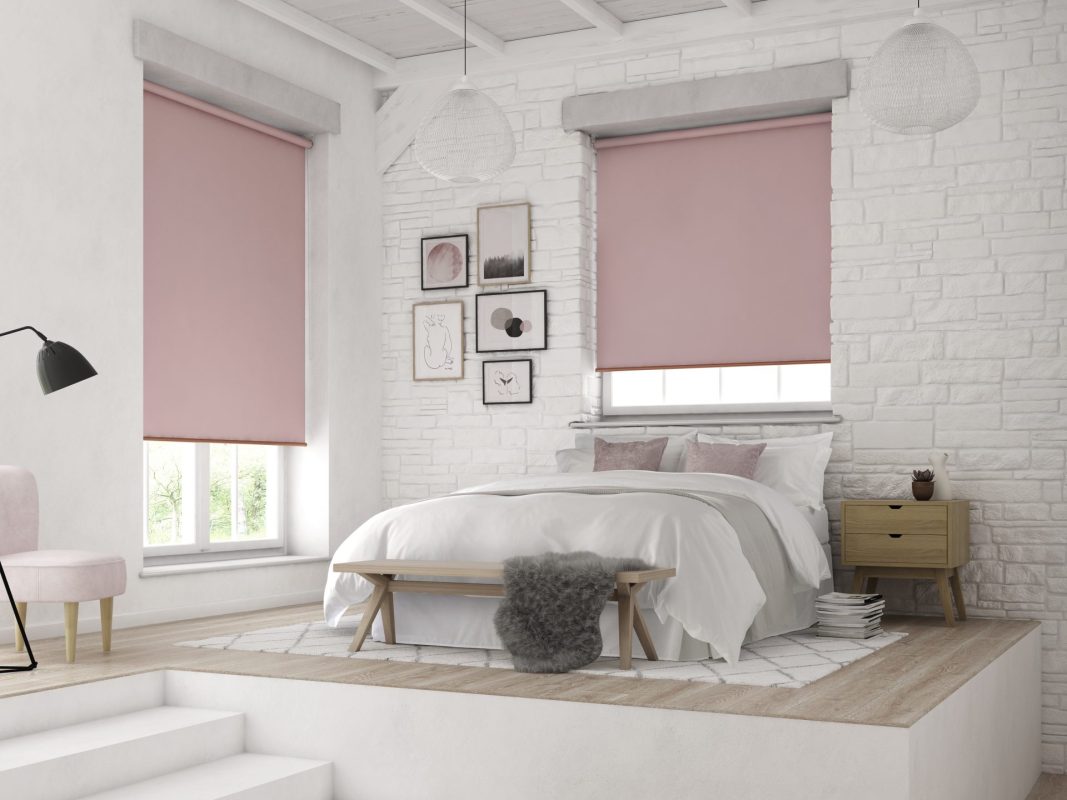
Roller Blinds

Choosing Between Roman and Roller Blinds

So, you’re here because you’re considering Roman or roller blinds for your home? Let’s compare the two!

Roman or Roller Blinds for Daylight in a Room?

If daylight is a priority, roller blinds are your best bet. Roller blinds are an ideal shading solution if your window is small or you have a large room with few windows.

When Roman blinds are folded up, they still tend to cover a portion of the window (unless you have them on the recess and high above the window, that is)! This means that even when opened, Roman blinds tend to block some of the light coming into your room.

With roller blinds, this isn’t an issue. Roller blinds can be completely rolled away and take up minimal window space when opened. Therefore, you’ll allow more light into the room.

Roman or Roller Blinds for Style?

Roman and roller blinds can provide different looks for different interiors.

Typically, roller blinds are more modern and would suit a contemporary home perfectly. Roman blinds are considered traditional, and therefore are perfect for a classic interior.

However, the above is not true for every Roman or roller blind. Both blinds offer a stylish design that can be tailored to suit your interior beautifully. You could go for a roman blind in a modern plain print or a roller blind in a traditional pattern.

The good news is we have so much choice when it comes to fabrics, so you’ll easily make each style your own.

Roman or Roller Blinds for Easy Maintenance?

This is an easy one. Roller blinds are your best option if you’re looking for a low maintenance blind that will stay looking new for longer.

Cleaning roller blinds is much easier than cleaning roman blinds. When machine washing roller blinds, you simply take down the fabrics, wash them, and then leave them to air dry before putting them back up. Many can even be wiped clean, making them ideal for kitchens and bathrooms where splashing is an issue.

To clean Roman blinds, you have to take down the entire blind, and depending on the fabric you choose, you may have to have them dry cleaned. Rehanging them can also be difficult without expert help.

Have You Considered Vision Blinds?

If you like the style of Roman and roller blinds, then vision blinds could also be for you! Vision blinds are the perfect balance between roller and Venetian blinds. They offer the best of both worlds. Effortlessly control the light while maintaining the view when you choose vision blinds.

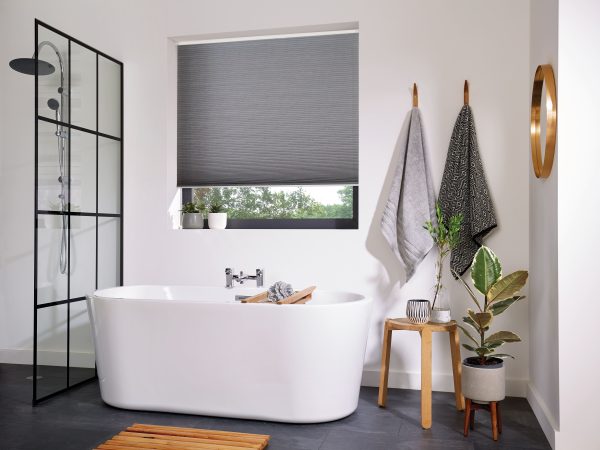
They work by moving two layers of striped fabric through a free-running bottom bar, enabling various ways to shade your windows depending on your preference! View our vision blinds here.

Vision Blinds

Have we made your decision any easier? Roman or roller blinds, which are you going for? We suggest that you think about what you need your blinds to do, then go from there. Either way, we’re sure they’ll look great.

If you’d like to hear more about any of the styles we offer, order your free samples or book a free home consultation, you can visit our website or contact us at info@a1blindsuk.co.uk or 0800 193 0417. Our team are always on hand to help!
 

Are Fly Screens Worth It? A Guide for Windows and Doors

Are Fly Screens Worth It? A Guide for Windows and Doors

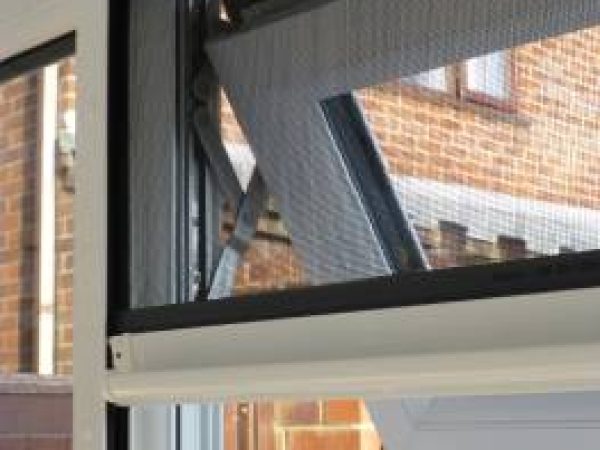
Fly screens are worth considering if you want to open windows and doors for fresh air while reducing the number of flies, wasps, mosquitoes and other insects entering your property. A properly fitted mesh screen creates a practical barrier without permanently closing the opening.

A1 Blinds measures and fits retractable and hinged fly screens for domestic and office properties in North Yorkshire. The best option depends on the type of window or door, how often the opening is used, and whether you want the screen to be hidden when it is not needed.

How Do Fly Screens Work?

A fly screen uses fine mesh to create a physical barrier across an open window or door. Air can pass through the mesh while many common flying insects are prevented from entering. A fly screen does not actively cool a room. The benefit is that windows and doors can remain open when outdoor conditions are suitable, supporting natural ventilation without leaving the opening completely unprotected. The screen must be closed and positioned correctly to work. A damaged mesh, an open screen, or a poorly sealed edge will reduce its effectiveness.

Retractable Fly Screens

Retractable fly screens extend across the opening when needed and return into a discreet housing when not in use. This preserves the appearance and access of the window or door during colder months or whenever the screen is unnecessary. A1 Blinds’ retractable screens use magnets to help keep them closed. They may be particularly useful on regularly used patio doors, conservatory openings and windows where flexible access is important.

Hinged Fly Screens

Hinged fly screens open similarly to a lightweight framed door or panel. They can provide a straightforward and durable option for suitable windows and doorways. The surrounding space, opening direction, and handle position must all be considered. A professional consultation can confirm whether a hinged or retractable design is more practical.

What Are the Main Benefits?

Fewer Unwanted Insects

The clearest benefit is reducing the number of flies, wasps, mosquitoes, and other insects that enter through an open window or door.

These screens can be useful in kitchens, bedrooms, conservatories and offices where windows are opened frequently. However, no screen can guarantee that the entire property will remain insect-free. Insects may still enter through other open doors, damaged seals or gaps elsewhere.

More Comfortable Ventilation

Fly screens allow suitable windows and doors to remain open while maintaining a mesh barrier. This can support ventilation during warmer weather without requiring you to choose between fresh air and insect control. The mesh can also catch some airborne dirt and pollutants. This is an additional practical benefit, but they are not a substitute for a specialist air-purification system.

A Discreet Finish

Retractable screens fold away when they are not required. This helps preserve the view and produces a neater appearance than temporary mesh fixed using tape or hook-and-loop strips. A made-to-measure design is created around the exact opening, helping the frame and mesh sit more securely.

Can Fly Screens Be Fitted with Blinds?

Yes. A1 Blinds can coordinate with blind installations so that both products fit comfortably on the same window. Planning the two installations together is useful because the screen and blind may need separate fixing space. The installer can also ensure that handles, window openings, and blind controls remain accessible. A fly screen manages insects, while a blind controls light and privacy. Each product performs a different role.

How Long Do Fly Screens Last?

Our fly screens can last approximately 10 to 15 years, provided they are not accidentally damaged or mistreated. Actual lifespan will depend on use, exposure and maintenance. Inspect the mesh occasionally for tears and ensure retractable mechanisms continue to move smoothly. Keep pets, sharp objects, and heavy impacts away from the screen.

Where Are Fly Screens Most Useful?

Fly screens are commonly considered for:

  • Kitchen windows and doors
  • Patio and garden doors
  • Conservatories
  • Bedrooms used during warmer nights
  • Offices and commercial properties
  • Rooms requiring frequent natural ventilation

Very large doors, unusual frames or restricted fixing space may require a specific design.

Are Fly Screens Worth the Investment?

Fly screens are most worthwhile for properties that regularly open windows or doors and experience persistent insect problems. They offer a more durable and discreet alternative to temporary mesh while allowing continued ventilation.

A1 Blinds provides free, no-obligation home consultations, professional measuring and fitting across the North East and North Yorkshire. Book an appointment to find out whether retractable or hinged fly screens are right for your property.

How to Stop Light Gaps Around Blackout Blinds

How to Stop Light Gaps Around Blackout Blinds

To reduce light gaps around blackout blinds, start with accurate made-to-measure fitting and choose a blind system suited to the window. Blackout fabric may prevent light from passing through the material, but light can still enter through gaps around the sides, top, or bottom of the finished blind.

This distinction is important when choosing blackout blinds for bedrooms, nurseries, shift workers or home cinemas. Blackout refers to the material; it does not automatically guarantee that the entire room will be completely dark.

Why Do Blackout Blinds Leave Gaps?

Free-hanging blinds need space to operate correctly. On a roller blind, the fabric is typically narrower than the full headrail or mechanism, leaving a small gap on each side. Window recesses can also be uneven or out of square. Handles, vents, tiles and projecting sills may stop the blind from sitting close to the glass. Vertical blinds have separate fabric vanes, so some light can remain between the drapes or around the outer edges.

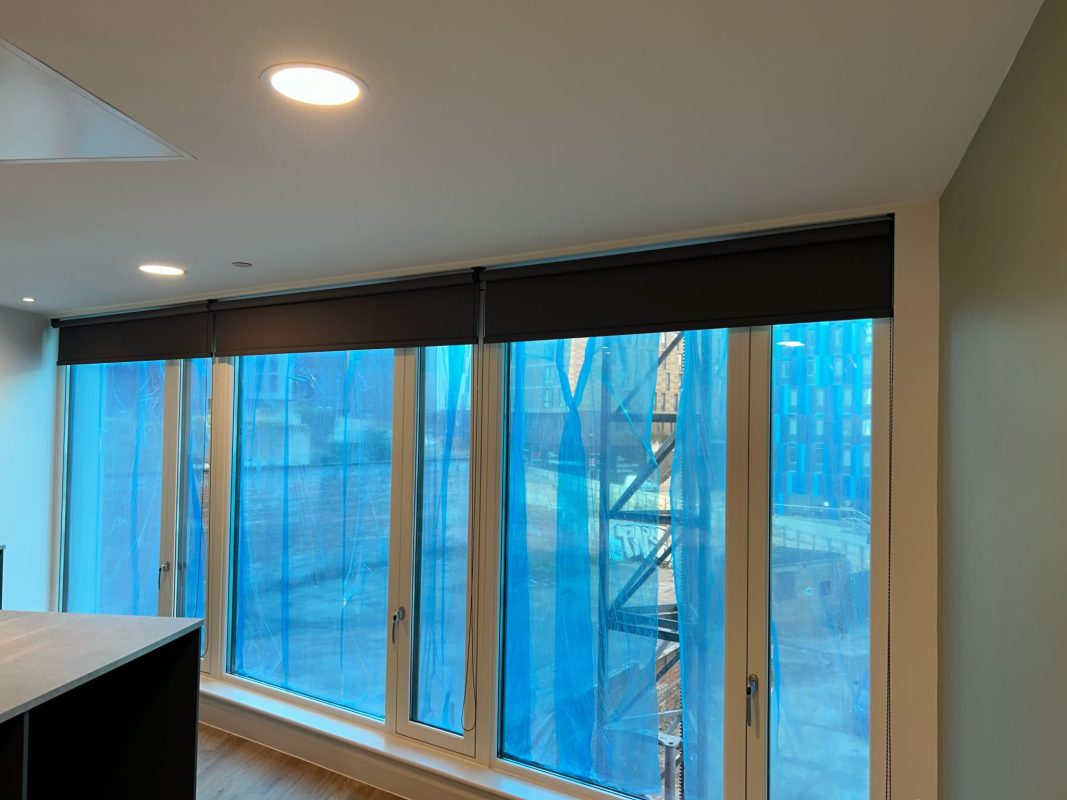
blackout blinds

Choose Made-to-Measure Blackout Blinds

Made-to-measure blinds are manufactured for the dimensions of your individual window. Accurate sizing helps minimise unnecessary space and produces a neater finish than choosing the nearest standard blind width. Professional measuring is particularly valuable for bay windows, shallow recesses and frames with large handles. The surveyor can check whether the blind has enough room to operate and identify anything likely to affect coverage.

We offer blackout materials in styles including roller, cellular and Roman blinds. The best option depends on the room, window design and level of darkness required.

Should the Blind Sit Inside or Outside the Recess?

An inside-recess blind creates a tidy, integrated appearance. However, the blind must fit within the opening, and the necessary operating clearance may allow a slim line of light around the sides. An outside-recess blind can overlap the window opening, potentially covering more of the surrounding area. This requires enough unobstructed wall space and must not interfere with radiators, shelving or furniture. Neither fitting position is always best. The right choice depends on recess depth, window handles and your preferred appearance.

Can Perfect Fit Blinds Reduce Edge Light?

Perfect Fit blinds clip into compatible uPVC window and door frames and sit close to the glazing. The blind moves with the frame, providing a neat installation without drilling. At A1 Blinds, we offer Perfect Fit roller, pleated and Venetian options. A blackout roller or pleated material may provide stronger room darkening than some loosely fitted alternatives, depending on the frame and product specifications.

Choose the Right Blackout Style

Blackout roller blinds are compact and practical, making them popular for bedrooms. Roman blinds provide a softer decorative look and can include a blackout lining, whereas cellular or pleated blinds sit neatly at the glazing and may provide additional thermal benefits.

Our Linear Nightshade range is designed for strong blackout performance and thermal insulation. The product information describes the result as near-total darkness rather than guaranteeing that every room will be completely light-free.

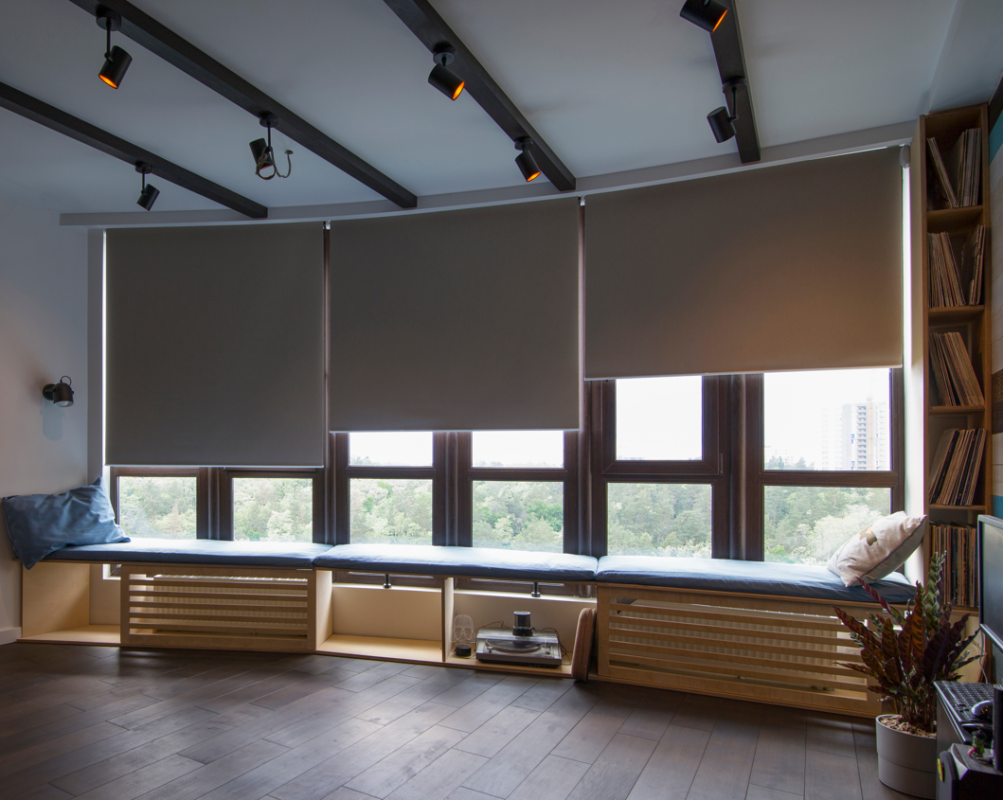
roller_blinds

Layer Blinds with Curtains

Pairing blackout blinds with lined curtains can cover light that remains around the edges. Curtains also add softness and another insulating layer at the window. Layering is particularly useful in children’s rooms, shift workers’ bedrooms and home cinemas. The blinds provide convenient daily control, while the curtains can be closed when a darker environment is needed. Any chains or cords must be installed with the correct child safety devices. Cord-free Perfect Fit or motorised blinds may be preferable in nurseries.

Get a Better-Fitting Blackout Blind

The most effective way to stop light gaps around blackout blinds is to match the material, blind style and fitting position to the individual window. Made-to-measure fitting can minimise gaps, but complete darkness should only be promised after the whole system has been assessed.

Book a free A1 Blinds home consultation to discuss blackout fabrics and the most suitable room-darkening option for your property in North Yorkshire.

What Are the Best Child-Safe Blinds? Cordless, Perfect Fit and Motorised Options

What Are the Best Child-Safe Blinds? Cordless, Perfect Fit and Motorised Options

The best child-safe blinds are products designed without accessible operating cords or chains. Cordless Perfect Fit blinds, motorised blinds and wand-operated vertical blinds can all help reduce potential hazards when correctly measured, selected and installed.

For families across North Yorkshire, choosing child-safe window blinds is particularly important in nurseries, children’s bedrooms, playrooms and shared living spaces. However, blind safety should be considered in every room accessible to a young child or vulnerable person.

Where blinds use cords or chains, suitable safety devices, such as breakaway connectors, tensioners, or cleats, must be fitted securely and used as instructed.

What Makes a Blind Child-Safe?

A child-safe blind is either safe by design or fitted with appropriate safety devices. Safe-by-design blinds generally have no accessible operating cord or chain. Alternatively, the controls may be concealed, permanently tensioned or designed to separate when pressure is applied.

At A1 Blinds, new products are professionally installed in line with relevant child-safety requirements. Correct installation is essential because a safety device can only reduce risk when it is securely fitted and used properly.

Homeowners should also consider the area around the window. Cots, beds, chairs, furniture, and play equipment should be positioned away from blind controls so that children cannot climb to reach them.

Cordless Perfect Fit Blinds

Cordless Perfect Fit blinds are a practical option for family homes in North Yorkshire. Perfect Fit blinds clip neatly into compatible uPVC window and door frames without drilling into the main frame.

The blind sits within its own slim frame and moves with the opening window or door. This creates a clean, integrated appearance without loose fabric or long operating controls hanging into the room.

A1 Blinds offers Perfect Fit pleated and roller blinds that can be made cord-free, as well as Venetian-style options. Cordless Perfect Fit blinds can work particularly well in:

  • Nurseries and children’s bedrooms
  • Playrooms and family living spaces
  • Conservatories
  • French doors and patio doors
  • Kitchens and dining areas

Perfect Fit blinds are not compatible with every window or door. Bead depth, handle clearance, frame style and available space must all be checked before installation. A professional home appointment allows these details to be assessed accurately.

Motorised Blinds

Motorised blinds use an integrated motor instead of a conventional hanging chain. Depending on the chosen system, motorised blinds can be operated using a remote control, wall switch, smartphone app or compatible smart home controls.

Because motorisation usually removes loose cords and chains, motorised blinds are a strong child-safe option for bedrooms, nurseries and other areas used by young children.

Motorised blinds are also useful for:

  • High or hard-to-reach windows
  • Skylights and roof windows
  • Large areas of glazing
  • Conservatories
  • Living rooms and home cinemas

We also offer rechargeable motorised systems that can provide approximately six to twelve months of daily use between charges. Actual battery life depends on the selected product, blind size and how frequently the blind is operated.

For North Yorkshire homeowners seeking convenience and safety, made-to-measure motorised blinds offer a modern, practical solution.

Wand-Operated Vertical Blinds

Vertical blinds are well-suited to wide windows, patio doors, and larger glazed areas. Traditional systems may use separate cords to draw and tilt the vertical slats, but A1 Blinds can offer mono-control operation where one wand replaces the conventional cord controls.

Wand-operated vertical blinds remove dangling cord loops while still providing flexible control over light and privacy. By turning or moving the wand, homeowners can adjust the fabric slats throughout the day.

These blinds are particularly useful in family living rooms, dining areas and conservatories. Children should still be discouraged from playing with the operating wand or pulling on the fabric vanes.

What Devices Make Corded Blinds Safer?

Some blinds use conventional chains or cords. In these cases, the correct safety device must be fitted securely.

Here are several common devices:

  • P-clip tensioners hold a chain or cord taut against a surface.
  • Cleats secure excess cord in a figure-of-eight pattern.
  • Breakaway connectors separate when sufficient pressure is applied.
  • Inner cord stops limit movement within certain blind systems.

We can fit breakaway chain connectors to the roller blinds we manufacture. Roman blinds may also use breakaway devices on their rear cords. Safety devices should never be removed or left loose. Contact the installer if a required component is missing or damaged.

child-safe blinds

Are Existing Blinds Child-Safe?

Older blinds may contain accessible looped cords or chains, particularly if they were installed before current child-safety requirements were introduced. Homeowners across North Yorkshire should inspect the existing blinds in every room accessible to children. Check cords, chains, tensioners and breakaway devices regularly for wear or damage.

Some existing blinds can be made safer by fitting the correct cleat, tensioner or breakaway component. However, the appropriate device and fitting position will depend on the blind style, installation height and room layout. Furniture should also be kept away from windows to prevent children from climbing and reaching the blind controls.

Which Child-Safe Blind Should You Choose?

Choose cordless Perfect Fit blinds for compatible frames and a neat, integrated finish, and motorised blinds for convenient cord-free operation, especially on large or high windows. Alternatively, choose wand-operated vertical blinds for broad glazing that requires adjustable slats. The best child-safe blinds must also provide the right privacy, light control and appearance for the room.

We offer free home consultations, measuring and fitting across the North East and North Yorkshire. Book an appointment for advice on cordless, Perfect Fit and motorised blinds for your family home.

© 2026 A1 Blinds